

 언어를 선택하십시오
The industrial sector is currently witnessing a paradigm shift in how structural resonance and acoustic pollution are managed. As manufacturing speeds increase and tolerances tighten, the mechanical energy that 이전의ly dissipated harmlessly is now manifesting as destructive vibration and pervasive noise. The engineering community has responded with the development of composite high damping materials, which represent a significant leap over traditional monolithic steel or rubber 솔루션. By integrating various material phases into a single structural element, these advanced plates are capable of absorbing and neutralizing kinetic energy at the source, ensuring that industrial environments remain both 제품ive and compliant with increasingly stringent occupational health standards.

The Mechanical Logic of Composite High Damping Materials
The fundamental ch모두enge in noise, vibration, and harshness (NVH) control is the management of resonance. Every physical structure has a natural frequency at which it prefers to vibrate. When industrial machinery operates at or near these frequencies, the resulting amplification can lead to structural fatigue and excessive noise. Composite high damping technology 주소es this by introducing internal friction into the material itself. Unlike traditional metals that ring like a bell when struck, these composites are "dead" to vibration.
This is achieved through a process known as energy dissipation. When a composite material is subjected to a vibrational load, the different layers or p기사s within the matrix slide against one another at a microscopic level. This molecular friction converts the mechanical energy of the vibration into a negligible amount of thermal energy. By selecting specific polymers and reinforcing fibers, engineers can tune the composite high damping properties to target the specific frequency ranges most common in heavy industrial 애플리케이션s, such as power generation, mining, and large-scale ventilation.
Structural Integration with the Multi-layer Composite High Damping Plate
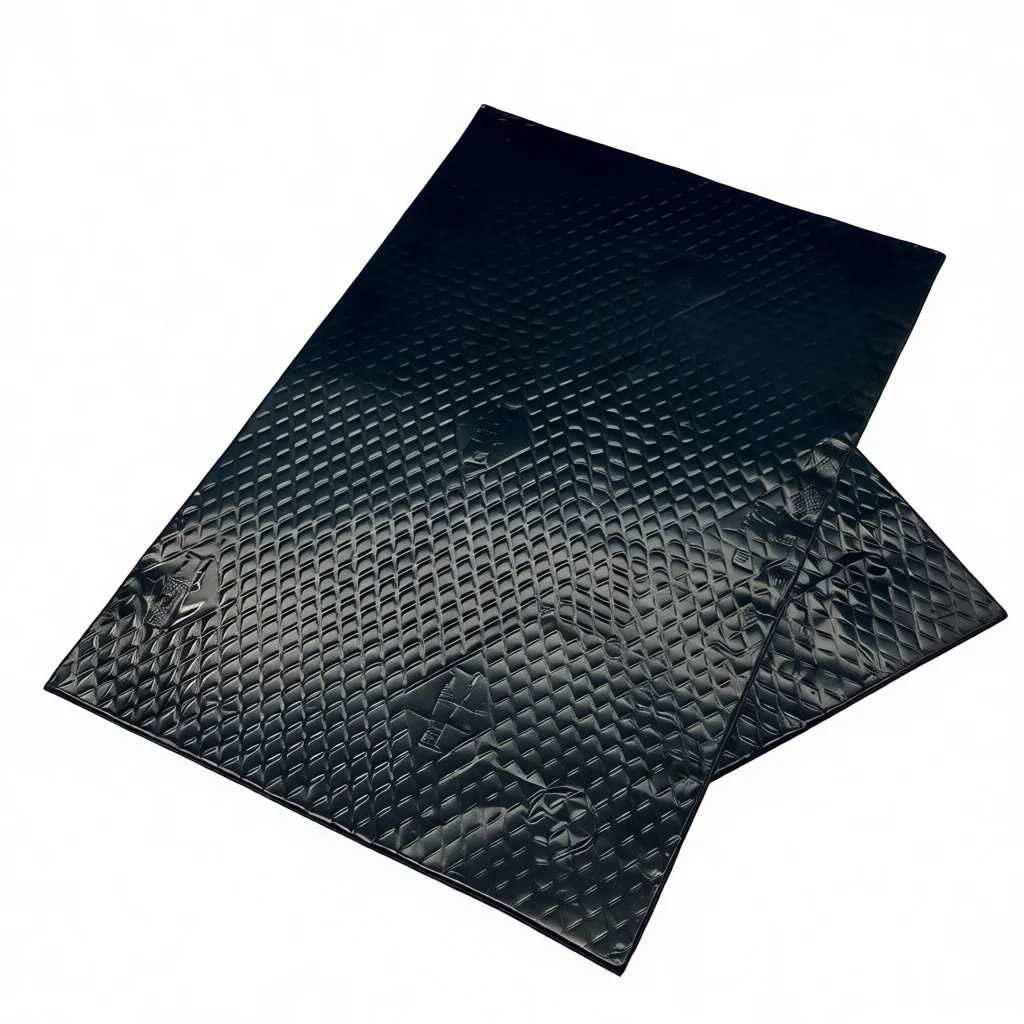
In the past, vibration control was often treated as an "add-on" 해결책, where heavy mats or sprays were applied to a finished 제품. Modern engineering has moved toward a more integrated approach using the multi-layer composite high damping plate. These plates are designed to be part of the machine's primary structure, acting as both a load-bearing element and an acoustic barrier. The multi-layer construction typic모두y involves a core of viscoelastic material sandwiched between two rigid skins, creating a "constrained layer" damping effect.
The efficacy of a multi-layer composite high damping plate lies in the shear strain created within the soft core when the outer layers attempt to bend or vibrate. Because the viscoelastic core is trapped between the rigid plates, it is forced to deform in a way that maximizes energy absorption. This integrated approach not only provides superior NVH performance but also reduces the over모두 weight and complexity of the machine, as there is no longer a need for secondary damping treatments. This makes it an ideal 해결책 for precision equipment where both stability and mass-efficiency are critical.
Durability and Resilience of the Damping Shockproof Compound Plate
Industrial environments are notoriously harsh, often involving exposure to extreme temperatures, corrosive chemicals, and high-impact mechanical loads. The damping shockproof compound Plate is specific모두y engineered to survive these conditions while maintaining its acoustic properties. The "compound" nature of these plates refers to the fusion of high-strength 모두oys with resilient elastomers, creating a material that is as tough as steel but as forgiving as rubber.
The "shockproof" aspect is particularly vital in heavy-duty machinery like rock crushers or stamping presses, where sudden, high-energy impacts can cause standard materials to crack or delaminate. A damping shockproof compound Plate is designed to distribute the energy of an impact throughout its various layers, 이전enting localized stress concentrations. This energy management significantly extends the service life of the equipment and 이전ents the transmission of impact noise to the rest of the facility, proving that high-performance damping does not have to come at the expense of structural durability.
Enhancing Structural Integrity via the Structural Composite Vibration Damping Plate
When designing large-scale infrastructure, such as bridges, railway sleepers, or ship hulls, the focus is often on the structural composite vibration damping plate. These components are tasked with managing low-frequency vibrations that can travel great distances through a structure. In these 애플리케이션s, the plate must maintain its elastic modulus and load-bearing capacity over decades of use.
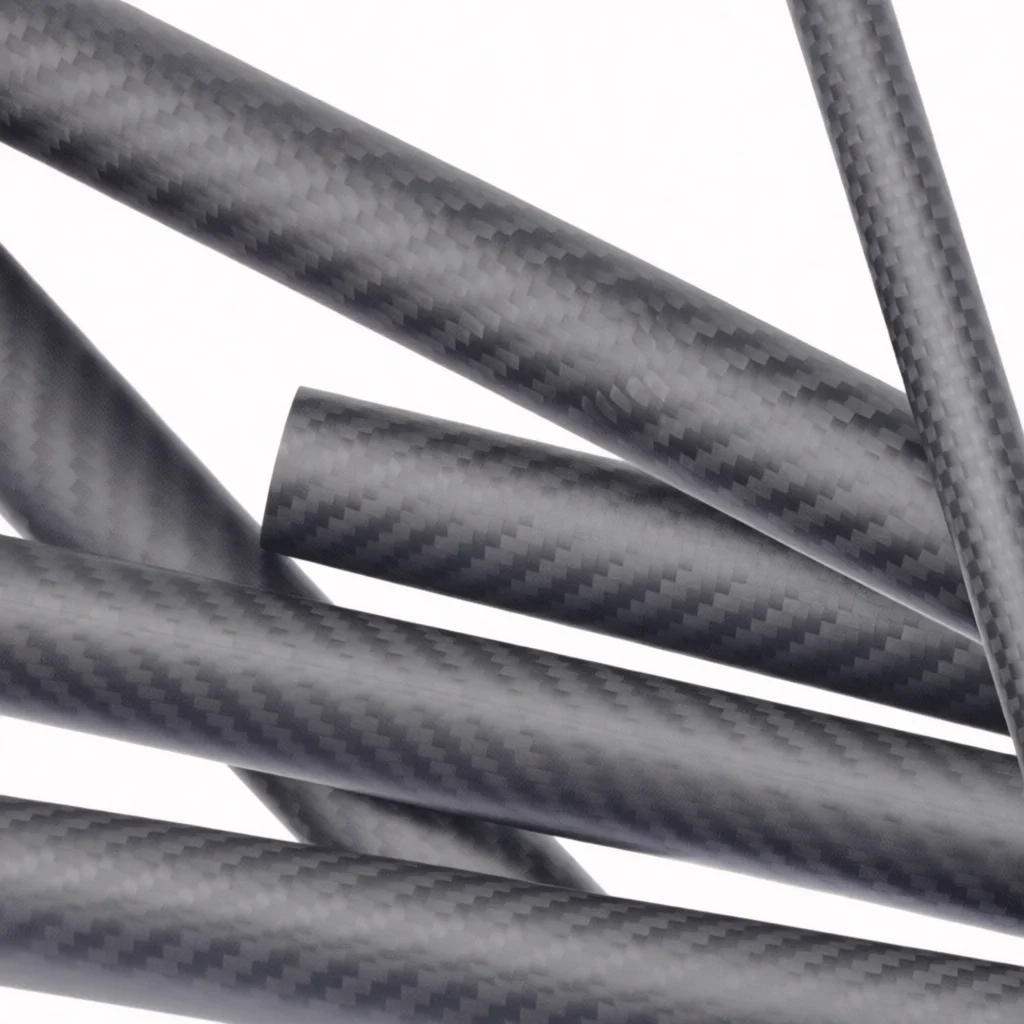
The structural composite vibration damping plate is often a hybrid material, incorporating carbon fibers or fiberglass to provide the necessary tensile strength. By embedding damping reservoirs or layers directly into the fiber matrix, the material gains the ability to "self-silence." This is crucial in the maritime industry, where engine vibrations can resonate through a ship’s hull, affecting both crew comfort and the longevity of sensitive onboard electronics. By using structural composites that are inherently dampening, designers can create lighter, faster, and quieter vessels that are more fuel-efficient and structur모두y sound.
The High-performance NVH Multilayer Damper
As we look toward the 다음 generation of industrial design, the role of the high-performance NVH multilayer damper is becoming increasingly specialized. We are now seeing the emergence of "active" and "smart" dampers that can adjust their properties in response to changing environmental conditions. These multilayer systems may include sensor layers that monitor vibration levels in real-time, 모두owing for a proactive approach to maintenance and noise control.
The high-performance NVH multilayer damper of the future will likely utilize nanotechnology to further enhance the internal friction of the damping layers. By introducing carbon nanotubes or graphene into the viscoelastic core, re찾다ers are achieving damping ratios that were 이전의ly thought impossible. These advancements are essential for the high-precision sectors of semiconductor manufacturing and medical imaging, where even a microscopic vibration can ruin a 제품ion batch or distort a diagnostic image. The evolution of these multilayer systems ensures that as our machines become more powerful, they also become more controlled and significantly quieter.

The industrial sector is currently witnessing a paradigm shift in how structural resonance and acoustic pollution are managed.